A roof is one of those systems most people don’t think about until something goes wrong. Then it becomes urgent fast, a leak around a chimney after a hard rain, shingles scattered across the yard after a winter windstorm, or stains spreading across a bedroom ceiling in a 100-year-old Essex County home. In New Jersey, especially in Northern New Jersey, roofing decisions carry a little more weight because the weather is rarely gentle for long.
Learn more: Gikas Roofing New Jersey
When homeowners and property managers search for a roofing contractor NJ, they’re usually not just looking for someone with a ladder and a truck. They want a roofer who understands local building styles, older framing, flashing details, drainage issues, and the freeze-thaw cycles that quietly shorten a roof’s life. And they want to know the work will hold up.
We’ve seen how much difference the right contractor makes before the first shingle is even installed. A careful inspection, realistic estimate, smart project staging, and material choices suited to Northern New Jersey can prevent years of headaches. In this guide, we’ll walk through what to look for in a New Jersey roofer, how to compare repair versus replacement, which materials perform best here, and the questions worth asking before you sign anything. If you want lasting protection in , not just a quick patch, this is where to start.
What To Look For In A New Jersey Roofing Contractor
Choosing a roofing contractor in NJ starts with more than price. Cost matters, of course, but it shouldn’t be the first filter. We recommend looking for a contractor with proven New Jersey experience, proper licensing and insurance, clear communication, and a documented process for inspection, installation, and cleanup.
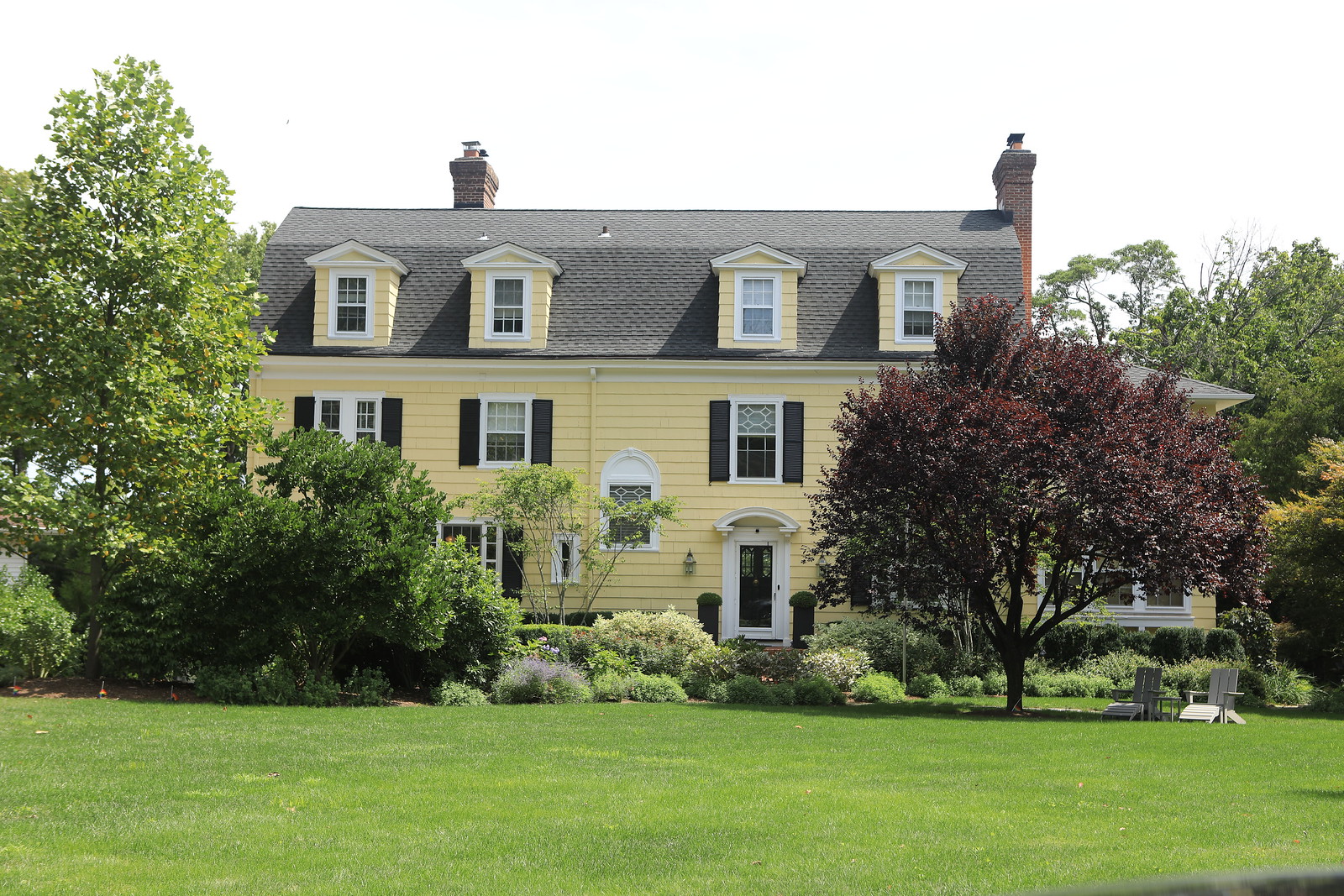
A strong contractor should be comfortable working on everything from simple ranch homes to steep Victorian rooflines and mixed-material systems on multifamily or commercial properties. That matters in Essex County, where one street may have asphalt shingle colonials, flat-roof additions, slate accents, and aging porch roofs all in the same block.
Here’s what separates a dependable roofer from a risky one:
- Local experience with Northern New Jersey weather and housing stock
- Proof of insurance and compliance with state and municipal requirements
- Detailed written estimates, not vague one-page numbers
- Thorough inspections before quoting major work
- References and recent project examples
- Clear warranty language on both materials and workmanship
We also think the best contractors explain what they see in plain English. If a roofer can’t show you where the issue is, or immediately jumps to a full replacement without evidence, that’s a red flag. Reputable companies, including experienced local firms like Gikas Roofing, typically focus on inspection first, then recommendations grounded in the roof’s actual condition. That’s the mindset you want.
Why Essex County Roofs Need A Local, Weather-Smart Approach
Essex County roofs take a beating. We’re dealing with winter snow loads, ice dams, spring rain, summer humidity, sudden wind events, and wide temperature swings that stress roofing materials over time. A roof that performs well in a milder climate can fail early here if the installation details aren’t right.
Local knowledge matters because roofing in Northern New Jersey isn’t just about surface materials. Ventilation, flashing, underlayment, drainage planning, and attic moisture control all affect performance. Older homes in Montclair, Maplewood, South Orange, Glen Ridge, and Newark often have framing quirks or layers of prior repairs that only show up during a hands-on inspection.
Then there’s the practical side. A local roofing contractor in NJ will usually be more familiar with permit expectations, disposal logistics, neighborhood access issues, and staging constraints on narrow driveways or dense residential blocks. That makes projects smoother and reduces surprises.
Weather-smart roofing also means timing matters. Installing during periods of high humidity, cold snaps, or frequent storms can affect sealants, shingle adhesion, and jobsite safety. A local contractor should know when to push forward, when to protect and pause, and how to sequence work so your property stays secure. That kind of judgment doesn’t show up in a coupon ad, but it absolutely shows up in the roof’s lifespan.
Common Roofing Problems In Older Homes And Complex Rooflines
Older homes are beautiful. They’re also notorious for hiding roofing problems in places you can’t spot from the lawn.
Read more: WHO WE ARE
In Essex County, we regularly see aging decking, inadequate attic ventilation, deteriorated flashing, and multiple generations of patchwork repairs. Homes built decades ago may have original design details that are charming but unforgiving: dormers, valleys, chimneys, skylights, turrets, low-slope sections, and intersecting roof planes. Every transition is a potential leak point.
Some of the most common issues include:
- Valley wear and debris buildup that slow drainage
- Chimney flashing failure where masonry meets roofing
- Sagging or soft decking caused by long-term moisture intrusion
- Improper past repairs using roof cement as a permanent fix
- Ventilation imbalances that trap heat and moisture in the attic
- Gutter overflow and fascia damage around steep or complicated edges
Complex rooflines also increase labor demands. More cuts, more flashing details, and more access challenges mean installation quality matters even more than usual. A basic crew might do fine on a rectangular roof. But a cut-up roof with multiple elevations? That requires planning and craftsmanship.
This is where detailed inspection becomes essential. What looks like “just a leak near the chimney” can actually involve underlayment failure, rotted sheathing, compromised masonry flashing, and water migration far from the visible stain. In older homes, the visible symptom is often the smallest part of the problem.
Signs You Need Roof Repair Vs. Full Roof Replacement
One of the biggest questions property owners ask is whether they need a repair or a full replacement. The honest answer: it depends on the age of the roof, the extent of damage, how widespread the deterioration is, and whether the existing system still has useful life left.
A repair may make sense when damage is isolated. Think a few missing shingles after wind, flashing failure around one chimney, or a small leak tied to a specific penetration. If the rest of the roof is in solid condition and the materials are still serviceable, a focused repair can be the right move.
A replacement becomes more likely when problems are systemic. Signs include:
- Repeated leaks in different areas
- Curling, cracking, or bald shingles across large sections
- Soft spots in the decking
- Extensive granule loss
- Chronic ventilation issues
- Roof age approaching or exceeding expected service life
- Multiple visible prior repairs that are no longer holding
We caution against patching a roof simply because it’s cheaper today. If you’re putting money into recurring repairs on a roof that’s already near the end, that spending can add up fast without solving the root issue.
The right contractor won’t push one answer every time. They’ll evaluate the whole assembly, explain the tradeoffs, and tell you whether repair buys meaningful life or just delays an inevitable replacement by a season or two. That distinction matters for budgeting and peace of mind.
How A Thorough Roof Inspection Helps You Avoid Costly Surprises
A thorough roof inspection is where smart roofing decisions begin. Not a quick glance from the driveway. Not a sales visit built around a preset recommendation. A real inspection should look at the roof surface, flashing details, penetrations, drainage, ventilation, visible decking condition, attic signs of moisture, and any evidence of prior workmanship issues.
Why does that matter? Because surprises in roofing are expensive. A project quoted without enough investigation may turn into change orders for rotten wood, hidden leaks, improper layering, or code-related corrections after the crew has already started.
Read more: WHY USE GIKAS
A strong inspection helps us identify:
- Active leak sources versus secondary water staining
- Whether damage is isolated or system-wide
- Ventilation and insulation concerns affecting roof longevity
- Structural or substrate problems hidden beneath surface materials
- Areas where staging or access will affect project planning
For property owners, this kind of inspection creates two advantages. First, you get a more accurate recommendation. Second, you get a more realistic budget.
This is one area where experienced roofing companies can stand apart. At Gikas Roofing, for example, the emphasis on pre-project inspection and written, guaranteed results reflects a process-driven approach rather than a rush-to-quote model. That’s valuable in older New Jersey homes, where hidden conditions aren’t rare, they’re expected.
The best inspections don’t just find problems. They reduce uncertainty. And in roofing, uncertainty is usually what drives cost overruns.
What A Professional Roofing Estimate Should Include
A professional roofing estimate should tell you more than the bottom-line price. If the document is vague, the project probably will be too.
At minimum, an estimate should clearly describe the scope of work, materials being installed, what will be removed, what accessories are included, how problem areas will be handled, and what happens if hidden damage is uncovered. It should also note cleanup, disposal, warranty coverage, timeline expectations, and payment terms.
A strong estimate often includes:
- Material specifications: brand, type, color, class, and system components
- Tear-off details: number of layers to be removed and disposal method
- Flashing and ventilation work: new flashing, boots, ridge vent, intake ventilation, etc.
- Decking allowances or pricing for replacement if damaged wood is found
- Site protection measures for landscaping, siding, driveways, and entries
- Warranty terms for workmanship and manufacturer-backed materials
- Permit responsibility if required locally
We also suggest looking for what’s not said. If there’s no mention of ventilation on a full replacement, ask why. If flashing is omitted, ask whether it’s being reused. If there’s no cleanup language, don’t assume it’s included.
A good estimate should make comparison easier, not harder. When one roofer is much cheaper than the rest, there’s usually a reason, lighter scope, lower-quality components, limited protection, or too many assumptions. Transparent estimates protect both sides and lead to better outcomes.
Roofing Materials That Perform Well In Northern New Jersey
Material choice affects lifespan, maintenance, storm resistance, energy performance, and appearance. In Northern New Jersey, the best roofing materials are the ones that can handle moisture, temperature swings, snow, wind exposure, and the architectural demands of the building.
There isn’t one universal “best roof.” The right choice depends on slope, drainage, structural conditions, budget, and how long you plan to keep the property. A steep-slope single-family home has different needs than a low-slope rear addition or a mixed-use commercial property.
Read more: Useful tips for your roof repair
Still, some systems consistently perform well here when installed correctly: architectural asphalt shingles, standing seam metal in the right applications, and durable flat or low-slope membranes for appropriate roof sections. Installation quality matters just as much as the material itself. A premium product won’t overcome poor flashing or weak ventilation.
That’s why we always look at the full system, not just the visible surface. Underlayment, edge details, penetration sealing, attic airflow, and drainage design all influence how the material performs through New Jersey’s weather cycles.
Below are the main options property owners in Essex County usually compare.
Asphalt Shingles, Metal, Flat Roofing, And Low-Slope Options
Asphalt Shingles, Metal, Flat Roofing, And Low-Slope Options
Asphalt shingles remain the most common residential choice for good reason. They’re cost-effective, widely available, and suitable for many homes in New Jersey. Architectural shingles, in particular, offer better dimension and durability than basic 3-tab products. They work well when paired with proper ventilation and quality underlayment.
Metal roofing can be an excellent option for certain homes and accents. It sheds snow efficiently, resists fire, and can deliver a long service life. But it needs correct detailing, especially around transitions and penetrations, and it isn’t automatically the best fit for every older home or every budget.
Flat roofing systems, such as modified bitumen, TPO, or EPDM, are common on porches, additions, multifamily buildings, and commercial structures. These roofs depend heavily on seam integrity, drainage strategy, and careful installation around edges and penetrations.
Low-slope roofs deserve special attention because they drain more slowly and are less forgiving of shortcuts. Materials that work on steep slopes may not belong here. If your property has mixed roof geometry, the contractor should specify different systems where needed rather than forcing one material across every section.
How Weather Exposure Affects Material Choice And Installation Timing
How Weather Exposure Affects Material Choice And Installation Timing
A roof on an open, wind-exposed hill in Essex County won’t age the same way as one sheltered by mature trees and neighboring buildings. South-facing sun exposure, shaded damp areas, leaf debris, ice-dam risk, and prevailing winter winds all affect material performance.
For example, areas that stay damp longer may be more prone to algae staining or moisture-related wear. Wind-prone properties may benefit from higher-performance shingle lines and enhanced fastening patterns. Low-slope areas with ponding risk require systems designed for that reality, not wishful thinking.
Installation timing matters too. Shingles and sealants behave differently in extreme cold. Summer heat creates its own challenges for crew safety and material handling. Rain interruptions can expose hidden conditions or slow replacement sequencing.
An experienced roofing contractor in NJ should account for these factors before the job starts. That includes selecting appropriate materials, monitoring forecasts, protecting open sections during the project, and being realistic about scheduling. Roofing is part craftsmanship, part logistics. Weather is the variable that tests both.
Read more: 6 things you need to know before replacing your roof
Questions To Ask Before Hiring A Roofing Contractor In NJ
Most hiring mistakes happen before the first nail goes in. A few pointed questions can tell you a lot about how a contractor works.
Start with the basics:
- Are you fully insured for this type of roofing work?
- Who will supervise the project on-site?
- What did you find during the inspection, and can you show me photos?
- Are you recommending repair or replacement, and why?
- What materials and accessories are included in the estimate?
- How do you handle hidden wood rot or other uncovered issues?
- What warranties do you provide in writing?
- How will you protect landscaping, siding, windows, and driveways?
- What is the expected timeline, and what could delay it?
- Will you handle permits if they’re required?
Then ask a few questions that reveal process, not just price. How do they stage materials on a tight property? How do they handle cleanup each day? Will they use magnetic sweeps for nails? What’s their plan if weather changes mid-project?
We’ve found that good contractors answer these questions directly and without defensiveness. They don’t rush you, and they don’t treat detail as an annoyance. That’s a good sign.
If a contractor avoids specifics, gives inconsistent answers, or pressures you to sign immediately, keep looking. Roofing is too important, and too expensive, to hire on instinct alone.
How Project Planning, Staging, And Site Protection Reduce Disruption
A roofing project can be loud, messy, and disruptive, but it doesn’t have to feel chaotic. Good planning makes a visible difference.
Before work begins, we believe the contractor should think through access points, material delivery, debris removal, parking, landscaping protection, and how to keep entrances usable. On tighter Essex County lots, staging isn’t a side issue. It’s part of the job.
Professional site protection may include:
- Tarping or shielding vulnerable landscaping
- Protecting driveways and walkways from debris impact
- Coordinating dumpster placement carefully
- Managing material drop zones to reduce risk
- Daily cleanup and magnetic nail sweeps
- Flexible staging approaches for homes with limited exterior space
This is especially important for occupied homes, multifamily properties, and commercial buildings where residents, employees, or customers still need to move safely around the site.
The best contractors plan for disruption before it happens. They communicate start times, expected noise, access limitations, and weather-related adjustments. They also sequence work so exposed areas are minimized.
That’s one reason process-driven companies stand out. Flexible staging options and strong pre-project planning, both emphasized by Gikas Roofing, can protect property and reduce stress for owners. A roof replacement is never invisible, but with the right crew, it can be far more orderly than most people expect.
Read more: 7 Signs You Need a New Roof
Roof Maintenance Tips To Extend The Life Of Your Investment
Even the best roof needs some attention. Maintenance won’t make a failing roof new again, but it can absolutely help a good roof last longer and perform better.
We recommend a practical routine:
- Inspect after major storms for missing shingles, lifted flashing, or debris damage
- Keep gutters and downspouts clear so water moves off the roof properly
- Trim overhanging branches that scrape surfaces or drop excess debris
- Watch for attic warning signs like moisture, mold, or poor ventilation
- Address small issues quickly before they expand into decking or interior damage
- Schedule periodic professional inspections, especially on older or complex roofs
One overlooked issue in Northern New Jersey is drainage. Clogged gutters and backed-up valleys can force water where it doesn’t belong, especially during freeze-thaw cycles. Another is ventilation. If your attic runs hot and damp, your roofing materials may age faster from the inside out.
For commercial and mixed-roof properties, maintenance should also include checking seams, penetrations, drains, and rooftop equipment connections. Flat and low-slope areas rarely forgive neglect.
Think of roof maintenance the way you’d think about servicing a furnace or maintaining masonry. It’s not glamorous. But a little consistency can add years of useful life and lower the odds of an emergency call during the next hard storm.
Conclusion
Finding the right roofing contractor NJ isn’t about chasing the lowest number. It’s about choosing a professional who understands Essex County buildings, Northern New Jersey weather, and the details that determine whether a roof lasts or leaks.
We’ve covered the essentials: local experience, thorough inspections, honest repair-versus-replacement guidance, clear estimates, material selection, smart staging, and long-term maintenance. Those factors tend to matter more than marketing promises.
If your property has an older roof, a complicated design, storm exposure, or signs of active trouble, don’t wait for a small issue to become structural damage. Start with a proper inspection and ask better questions upfront.
A good roof protects more than shingles and plywood. It protects the building, the budget, and your peace of mind. And in , with rising repair costs and unpredictable weather, getting that decision right from the beginning is worth it.
Key Takeaways
- Choosing a roofing contractor NJ requires prioritizing local experience, proper licensing, thorough inspections, and transparent estimates over just price.
- Northern New Jersey’s harsh weather demands roofing materials and installation techniques tailored to withstand freeze-thaw cycles, wind, snow, and humidity.
- A professional roofing inspection is essential to identify hidden problems, differentiate between repair and replacement needs, and avoid costly surprises.
- Common roofing issues in older Essex County homes include flashing failure, improper ventilation, and complex roofline challenges that require skilled craftsmanship.
- Clear communication about warranties, project timelines, site protection, and permit handling helps ensure a smoother roofing project experience.
- Regular roof maintenance, including gutter cleaning and ventilation checks, extends the lifespan of your roof and prevents severe damage.
Frequently Asked Questions About Roofing Contractors in NJ
What should I look for when hiring a roofing contractor in NJ?
Look for a contractor with proven local experience, proper licensing and insurance, detailed written estimates, thorough inspections, references, and clear warranty terms on materials and workmanship.
How does Northern New Jersey weather affect roofing needs?
Northern NJ experiences freeze-thaw cycles, snow loads, ice dams, wind, and humidity that stress roofing materials, requiring contractors to use proper ventilation, flashing, drainage, and timing to ensure longevity.
When should I repair my roof versus replace it?
Repair is suitable for isolated damage like a few missing shingles, while replacement is recommended for systemic issues such as repeated leaks, soft decking, extensive granule loss, or roofs near the end of their lifespan.
What roofing materials work best in Northern New Jersey?
Architectural asphalt shingles, standing seam metal roofing for certain applications, and durable flat or low-slope membranes perform well when combined with quality installation and proper ventilation.
Why is a thorough roof inspection important before starting work?
A detailed inspection identifies hidden damage, ventilation issues, and structural problems, preventing costly surprises, guiding accurate recommendations, and providing realistic budgets for repairs or replacement.
How can I extend the life of my roof with maintenance?
Regularly inspect after storms, keep gutters clear, trim overhanging branches, watch for attic moisture or ventilation issues, address small problems promptly, and schedule periodic professional inspections.
Read More:
- enew.gr
- Santorini Tour Guide: How To See The Island Like A Local – ΕΝΕW.GR
- Performance Marketing: Ο Απόλυτος Οδηγός για να Αυξήσετε τις Πωλήσεις σας σήμερα – ΕΝΕW.GR
- – ΕΝΕW.GR
- Έγκυρη Ενημέρωση Online: Πώς να Ξεχωρίζετε τις Αξιόπιστες Ειδήσεις στην Ψηφιακή Εποχή – ΕΝΕW.GR
- MEGALOPOLI FM Ενημέρωση: Πώς Να Μένεις Πάντα Συντονισμένος Με Τις Τοπικές Και Γενικές Εξελίξεις – ΕΝΕW.GR
About the Author